Lymph Savior Official Website › Blog › Foods for lymphatic drainage
Which Foods Help Lymphatic Drainage? A Daily Plan Beside Lymphsavior
No single food drains the lymphatic system. Lymph moves because the walls of its vessels contract, because valves keep it flowing one way, and because the muscles around it squeeze it along. What food can do is support the routine around that: enough water, plenty of plants, less heavily salted food, and a walk after meals. Lymph Savior is a two-capsule daily supplement that sits beside those habits, not in place of them.
- No food squeezes a lymph vessel. Muscles and valves do the moving.
- Water, vegetables, fruit, whole grains and plain proteins support the habits that help.
- Heavily salted processed food is the main thing worth cutting back.
- A walk after a meal does more for moving lymph than any single ingredient.
- Lymph Savior is two capsules a day with water, as an addition to these habits.
How lymphatic drainage really works
The lymphatic system returns fluid that leaks out of blood capillaries back to the bloodstream. That leak is normal. It is how water, oxygen and nutrients reach the cells. The lymph vessels collect the extra fluid, carry it through the lymph nodes and empty it into the large veins near the collarbone.
The system has no heart of its own. It moves by the rhythmic contraction of the vessel walls, by one-way valves, and by the muscles, breathing and pulse around it. That is why gravity, heat and long hours of sitting change how ankles look by the evening.
This matters for any list of foods for lymphatic drainage. A food cannot squeeze a vessel. So the most useful foods are the ones that support what does move lymph: good hydration, a steady body weight and enough energy to stay active. The lymphatic support guide explains the mechanism in more depth.
Foods and drinks that support lymphatic drainage
None of these is a special lymph food. They are ordinary, well-supported eating habits, and that is the point.
- Water. Fluid balance starts with fluid. The Lymph Savior label asks for 6 to 8 ounces of water with each dose, so the routine carries a little hydration by design. Keep sipping through the rest of the day as well.
- Vegetables and fruit. Leafy greens, berries, citrus, cucumber and melon bring water, fibre and potassium. They make a meal filling without much added salt.
- Whole grains, beans and lentils. Fibre-rich staples keep meals steady and make it easier to hold a healthy weight, which takes load off the legs.
- Plain proteins. Fish, eggs, poultry, tofu and plain yogurt fit a balanced plate. Protein is part of what keeps fluid in the blood where it belongs.
- Herbs and spices. Ginger, garlic, turmeric, pepper and fresh herbs add flavour, which makes it easier to use less salt.
- Caffeine-free herbal teas. A warm cup counts toward the day’s fluid and is an easy habit to keep in the evening.
The lymphatic system responds to steady daily routines far more than to any one ingredient. A plate built from these foods most days is worth more than a single “super food” eaten now and then.
Foods worth limiting for lymphatic comfort
Some foods make evening puffiness more noticeable. Heavily salted food is the main one, because the body holds on to water to balance extra salt. Alcohol and very sugary drinks can also leave people feeling puffy the next morning.
- Packaged snacks, salami-style meats and instant noodles, which are often very salty.
- Takeaway and restaurant meals, where the salt is hard to see.
- A late, heavy dinner followed by hours on the sofa.
Cutting back does not need a strict diet. Cooking more meals at home and tasting before salting do most of the work.
The habit that matters more than any food
Movement. Muscle contraction is part of how lymph is pushed along, so a walk after three hours of sitting does something no food or capsule can. Raising the legs for twenty minutes at the end of the day works on gravity, which is the largest single force acting on fluid in the lower legs. Both habits are free.
The easiest way to link food and movement is to attach a short walk to a meal you already eat every day. Lunch works well for people at a desk. After dinner works well for people who sit in the evening.
A simple lymph-friendly day of eating
This is an example, not a plan to follow to the letter. Swap foods for ones you enjoy.
| When | What it could look like | Habit attached |
|---|---|---|
| Breakfast | Oats with berries and plain yogurt, a glass of water | Two Lymph Savior capsules with the water |
| Lunch | A large salad with beans, eggs or fish, and whole-grain bread | A short walk afterwards |
| Snack | Fruit, cucumber or a handful of unsalted nuts | Stand up and move for a few minutes |
| Dinner | Vegetables, a plain protein and brown rice, seasoned with herbs | Legs up for twenty minutes later on |
| Evening | A caffeine-free herbal tea | Nothing else needed |
The capsules go with breakfast because yerba mate in the formula carries caffeine.
Where Lymph Savior fits in a lymphatic drainage routine
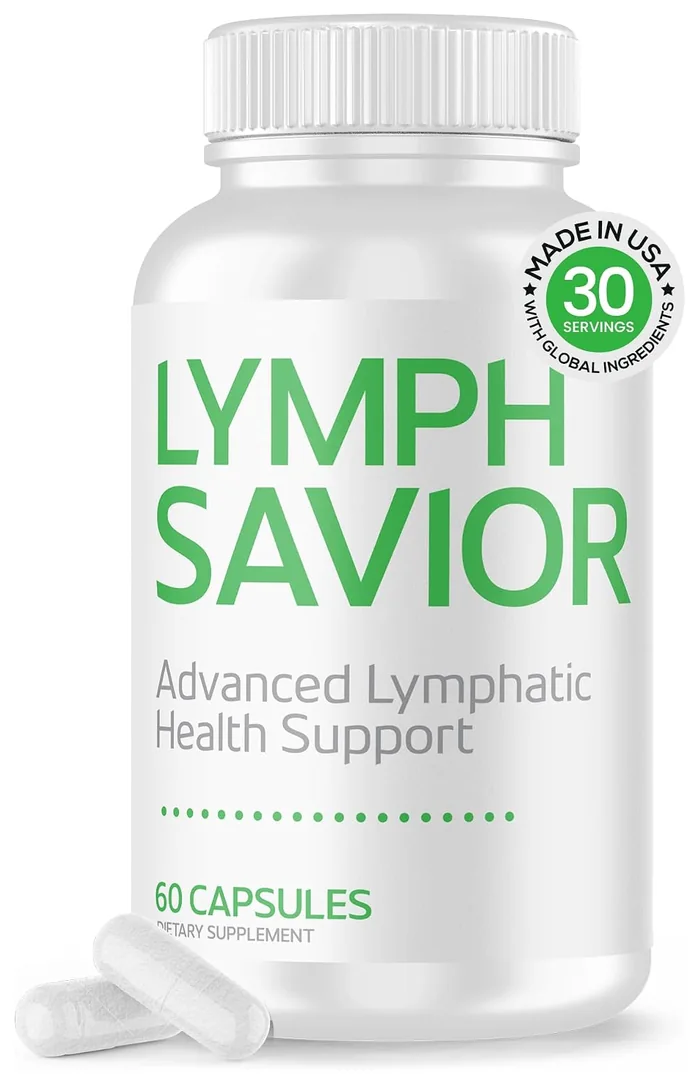
Lymph Savior is a plant-based capsule with six botanicals: red clover, horse chestnut seed, red root, centella asiatica, burdock root and yerba mate. The label calls it Advanced Lymphatic Health Support. Two capsules a day with water is the full dose, and one 60-capsule bottle lasts 30 days. The how to take Lymph Savior page covers timing and missed doses.
Two of the six, horse chestnut seed and centella asiatica, have controlled trials in leg fluid linked to vein problems, where each was used on its own. The label prints no amount for any botanical, so the blend is best seen as an addition to the food and movement habits above. The Lymph Savior ingredients page covers each plant and its research.
There is a pleasant link between the plate and the bottle, too. Burdock root is eaten as a kitchen vegetable in Japan, and yerba mate is a leaf brewed as a daily drink in South America.
One line is worth keeping in mind. Swelling in one limb, swelling that does not settle overnight, or swelling with redness, heat or pain is a reason to see a clinician, not a reason to change your diet.
Add Lymph Savior to a steady daily routine
Two capsules with a glass of water at breakfast, beside the walking and the water. Judge it by day sixty, inside the money-back window.
One, three and six-bottle packs · price set at checkout · 60-day money-back guarantee
Order Lymph Savior From This OutletLot LYM-26/LY-5684 · two a day, 60 to a bottle · ships from the United States
Foods for lymphatic drainage FAQ
What foods help lymphatic drainage?
No single food drains lymph. Water, vegetables, fruit, whole grains and less heavily salted food support the habits that help, and a walk after meals does the most.
Is there a special lymphatic drainage diet?
Not a special one. A balanced, mostly whole-food diet with enough water is the sensible base. Movement and raising the legs matter more than any one food.
Can I take Lymph Savior with food?
Yes. The label sets no food rule. Many people take the two capsules with breakfast and a full glass of water, which also keeps the yerba mate caffeine early in the day.
What are the best foods and drinks for lymphatic drainage with Lymph Savior?
Water, whole foods and a lower salt intake are the main choices, because no single food moves lymph by itself. The guide lists foods to favor and limit, and a walk after meals helps more than any one food.
Does Lymph Savior replace a lymphatic drainage diet?
No. Lymph Savior is two capsules a day with water and is meant to sit beside steady eating and movement habits. It is a supplement for lymphatic wellness support, not a stand-in for food choices or a walk.