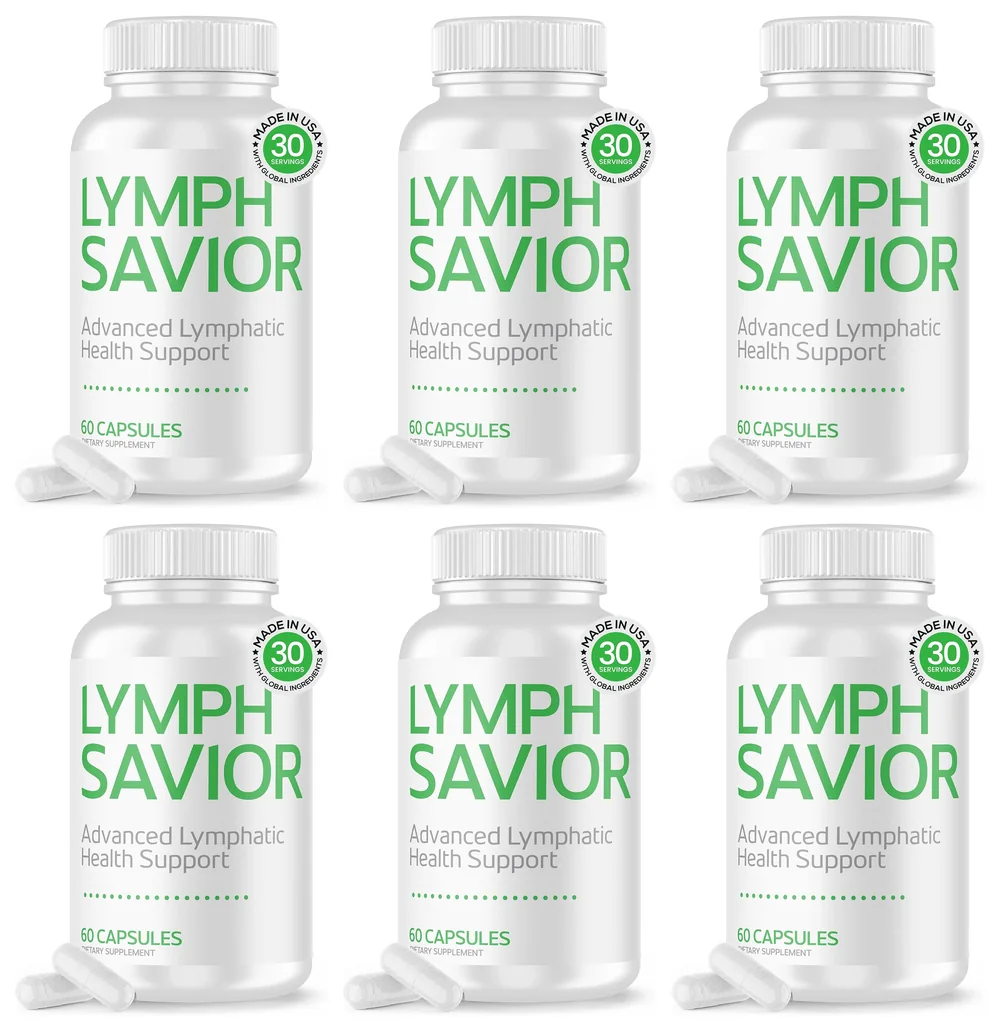
Lymph Savior Official Website › Blog › The seed this label calls an extract
The Seed This Label Calls An Extract, And Why That One Word Is Doing Safety Work
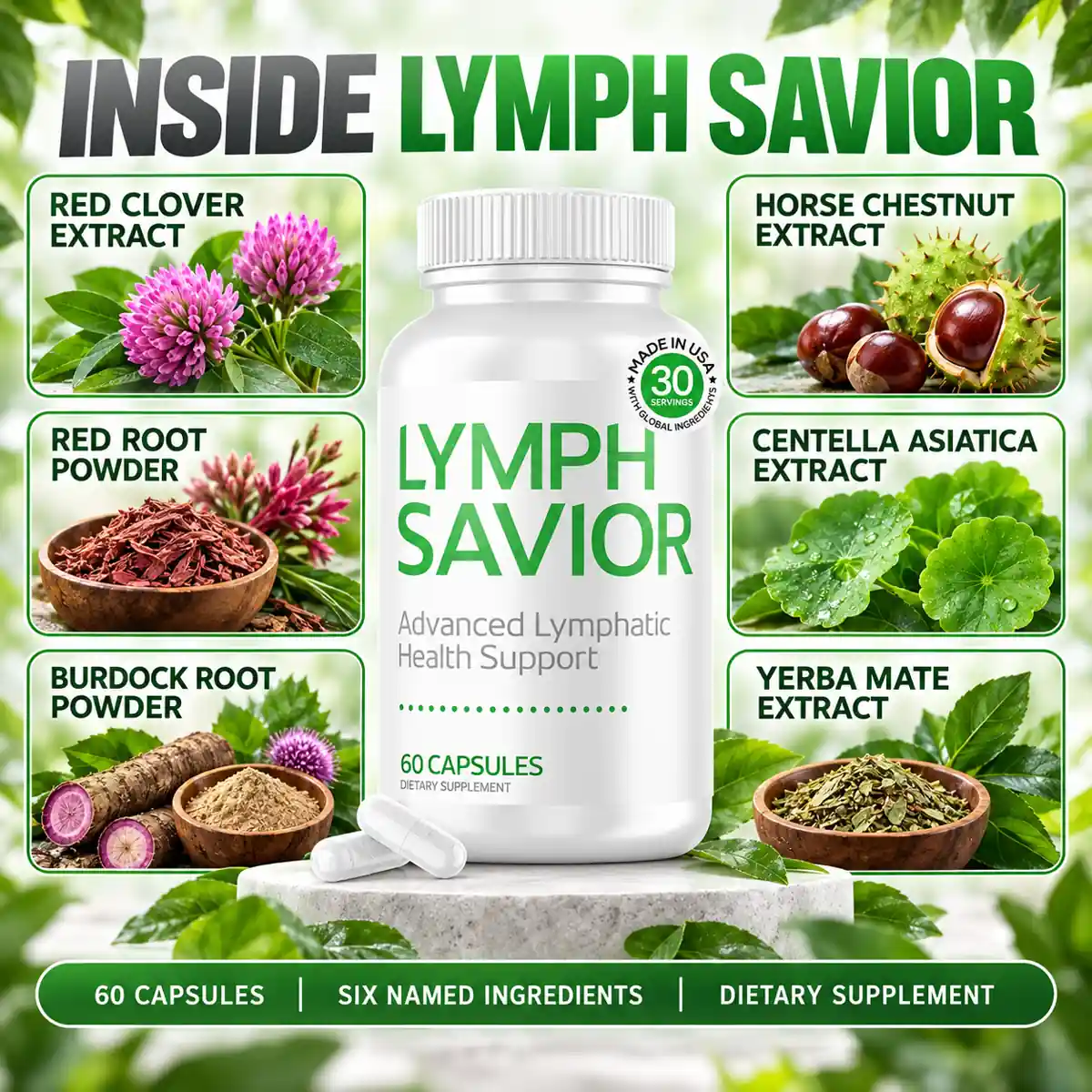
The second line on this label reads Horse Chestnut Extract, and under it, in parentheses, the single word (seed). It is easy to read that parenthesis as a detail for botanists. It is not. The raw seed of Aesculus hippocastanum is documented, in real published case reports, to poison people who swallow it, inhale it, or otherwise take it unprocessed. The word extract is the entire distance between that seed and this capsule, and this article is about why.
- Raw Aesculus hippocastanum seed contains esculin, a coumarin glycoside, and raw seed poisoning is a real, documented event in humans.
- A 2021 case report describes a 46-year-old man hospitalised after eating horse chestnut seed he mistook for an edible chestnut.
- A 2014 case report describes intoxication from horse chestnut seed powder used nasally, as snuff.
- The Cochrane-reviewed trials behind horse chestnut's reputation all used a processed, standardised seed extract, never raw seed.
- This label names an extract, not a seed, and that distinction is a safety fact, not a marketing one.
One word, carrying the whole difference
Six botanicals are named on the artwork supplied with this pack, and five of them carry a parenthetical naming the plant part used: leaves and flowers for red clover, aerial parts for centella asiatica, root for burdock, leaves for yerba mate, and seed for horse chestnut. Four of those five parentheses describe a part that is, in its raw form, something a person could reasonably eat or brew without incident. The fifth does not. Horse chestnut seed is the one plant part on this entire label whose raw form is genuinely unsafe to consume, and the word immediately in front of it — Extract — is the only thing standing between the name on this label and a plant part with real, published toxicity.
Esculin: what makes the raw seed dangerous
The compound responsible is esculin (also spelled aesculin), a coumarin glycoside present throughout the horse chestnut seed. Esculin itself is poorly absorbed intact, but once it is hydrolysed — which can happen through the action of gut microbes, or through processing — it yields an aglycone with genuine cytotoxic and neurotoxic activity. The seed also carries escin, a mixture of saponins, which is the compound that standardised horse chestnut seed extract is deliberately concentrated and measured against in the clinical trials for leg swelling and venous insufficiency. Escin and esculin are not the same molecule, and the industrial point of making an extract rather than simply grinding the seed is to separate and control the two: concentrate the escin that the trials studied, and reduce the esculin load a raw seed would otherwise deliver whole.
Symptoms of raw seed poisoning are consistent across the veterinary and human literature: gastrointestinal upset, vomiting and diarrhoea, muscle twitching and weakness, dilated pupils, and in more severe cases, depression of the nervous system and collapse. None of this is a theoretical description built from the chemical structure alone — it is what has actually been recorded when people or animals took in the raw seed.
A documented case: mistaken for an edible chestnut
In 2021, Clinical and Experimental Emergency Medicine published a case report by Yi and Lee describing a 46-year-old man who ate horse chestnut seed after mistaking it for an edible Korean chestnut — a mix-up the two seeds' superficial resemblance makes easy to understand. He presented with epigastric pain, nausea and sweating. Blood testing showed raised liver enzymes and raised pancreatic and serum amylase, and during observation he developed palpitations with an electrocardiogram showing atrial fibrillation. He recovered after conservative treatment and was discharged the following day with normal bloodwork and a normal tracing, but the case is a clear record of pancreatic toxicity, liver enzyme elevation and a new heart rhythm disturbance following ingestion of a small amount of raw seed, in an adult who ate it expecting a food, not a medicine.
A documented case: powdered seed used as snuff
A second, independent case report, published in 2014 in the Polish journal Przegląd Lekarski by Zając, Wiśniewski and Sein Anand, describes a patient intoxicated after using powdered horse chestnut seed intranasally, as snuff. This is a different route of exposure from eating the seed, and it produced its own symptom pattern consistent with systemic esculin exposure. The two cases together make the same point from different directions: whichever way raw or powdered horse chestnut seed enters the body, it behaves as the toxicology predicts, not as an inert plant material.
| Source | Exposure | What happened |
|---|---|---|
| Yi & Lee, 2021 | Raw seed eaten, mistaken for an edible chestnut | Epigastric pain, raised liver and pancreatic enzymes, new atrial fibrillation; recovered in hospital |
| Zając et al., 2014 | Powdered seed used nasally as snuff | Documented intoxication; hospitalised and treated |
| Williams & Olsen, 1984 | Seed fed to chicks and hamsters in a controlled study | Measurable toxicity across all three Aesculus species tested |
Three independent sources, two of them human case reports and one a controlled animal study, all pointing the same direction: the raw or powdered seed, not the processed extract, is what causes harm.
What the animal toxicity data adds
Before either human case report was published, veterinary toxicologists had already established the basic picture in a controlled setting. Williams and Olsen, writing in the American Journal of Veterinary Research in 1984, fed seeds of three Aesculus species to chicks and hamsters and documented measurable toxicity in both. That paper predates the modern clinical-trial literature on standardised horse chestnut extract by close to two decades, and it is worth noting what it does and does not show: it establishes that raw Aesculus seed is toxic across species when eaten whole, and it says nothing about the processed, escin-standardised extract that the later human trials on venous insufficiency actually used. The two bodies of evidence — raw-seed toxicity and processed-extract efficacy — sit on either side of the same manufacturing step, which is the step the word extract on this label refers to.
What turning seed into extract actually does
Pharmaceutical-grade horse chestnut seed extract is produced by a defined process: the seed is ground, the compounds of interest are drawn out with a solvent, and the resulting material is standardised, typically to a stated percentage of escin, the compound the Cochrane-reviewed trials measured against leg volume and leg pain. A properly standardised extract is formulated specifically to concentrate escin while controlling the esculin content that makes the raw seed unsafe. This is precisely the kind of processing distinction this website's own review of the Cochrane evidence has already noted in a different context: every trial counted in that review used horse chestnut seed extract on its own, as a defined, standardised material, not ground raw seed and not a blend.
Europe's regulatory assessment of Aesculus hippocastanum preparations, carried out by the European Medicines Agency's herbal products committee, treats the distinction between crude plant material and a defined, quality-controlled extract as central to how the plant can be used safely at all — which is the regulatory way of stating the same fact the two case reports demonstrate directly.
Read what the horse chestnut trials actually measured
The Cochrane-reviewed leg-volume and leg-pain results, and the one sentence in that review's own selection criteria that matters most for a six-botanical blend.
One, three and six-bottle packs · price set at checkout · 60-day money-back guarantee
Order Lymph Savior From This OutletLot LYM-26/LY-5684 · two a day, 60 to a bottle · ships from the United States
What this label does, and does not, say about that process
Here the honest limits of this article have to be stated plainly, in the same way every other article on this blog states them. This label names Horse Chestnut Extract (seed) and nothing more. It does not state an escin percentage. It does not name a solvent, a manufacturer, or a standardisation method. It carries no Supplement Facts panel on any image supplied with this pack, a gap this website has documented in full elsewhere. So while the word extract is doing real, necessary safety work by distinguishing this capsule from raw seed in principle, nothing in the materials available to this desk lets a reader verify how thoroughly that processing was carried out, or to what escin standard, for this specific product. The case reports in this article are evidence about what raw and powdered seed do; they are not a safety test of this particular bottle, and this article does not claim otherwise.
What this means for anyone holding this bottle
Two practical points follow, and both are narrower than they might sound. First, nothing about the case reports above applies to the capsule itself: the patients in both reports consumed raw or powdered whole seed, not a manufactured, encapsulated extract, and there is no suggestion anywhere in the literature that a correctly produced extract carries the same risk profile as the crude seed it was made from. Second, the word extract is precisely why this plant can appear on a supplement label at all. A product genuinely listing raw, whole or ground horse chestnut seed as an ingredient — rather than an extract of it — would be describing something closer to the material in the two case reports above than to a dietary supplement, and that distinction is worth checking on any horse chestnut product, not only this one.
Raw horse chestnut seed has sent real people to hospital, documented in the medical literature by name, date and journal. The word extract on this label is the fact that keeps this capsule on the other side of that line.
References
- Yi HY, Lee JY. Poisoning due to consumption of horse chestnut seed. Clinical and Experimental Emergency Medicine. 2021;8(4):333-335. https://pubmed.ncbi.nlm.nih.gov/35000361/
- Zając M, Wiśniewski M, Sein Anand J. Intoxication by powdered seeds of horse chestnut (Aesculus hippocastanum) used nasally as snuff - a case report. Przegląd Lekarski. 2014;71(9):502-3. https://pubmed.ncbi.nlm.nih.gov/25632792/
- Williams MC, Olsen JD. Toxicity of seeds of three Aesculus spp to chicks and hamsters. American Journal of Veterinary Research. 1984;45(3):539-42. https://pubmed.ncbi.nlm.nih.gov/6538769/
- Pittler MH, Ernst E. Horse chestnut seed extract for chronic venous insufficiency, Cochrane Database of Systematic Reviews. 2012;11:CD003230. https://pubmed.ncbi.nlm.nih.gov/23152216/
- Horse Chestnut. About Herbs, Memorial Sloan Kettering Cancer Center. https://www.mskcc.org/cancer-care/integrative-medicine/herbs/horse-chestnut
- Horse Chestnut. National Center for Complementary and Integrative Health, National Institutes of Health. https://www.nccih.nih.gov/health/horse-chestnut