Lymph Savior Official Website › Blog › The unquantified caffeine
What Causes Poor Lymphatic Drainage? Everyday Habits, Warning Signs and Where a Capsule Fits
Lymph has no pump of its own. It moves because the muscles around it work, so long hours of sitting, standing still, heat and gravity are the usual reasons it feels slow. Swelling in one limb, or swelling that does not settle overnight, is a reason to see a clinician, not to buy a supplement.
“Sluggish lymph” is a popular phrase and a loose one. What people usually mean is evening puffiness in both ankles or a heavy feeling after a long day. This guide explains why that happens in plain terms and separates it from swelling that needs an examination.
Why the system has no pump
Blood capillaries leak a little fluid into the tissues all day. That is normal, because it is how water and nutrients reach the cells. In an adult somewhere between two and four litres a day leaves the circulation this way, and it all has to come back.
The lymphatic network collects it. Tiny vessels in the tissues take up the extra fluid, pass it through lymph nodes and return it to large veins near the collarbone. There is no heart on this circuit.
Instead, the collecting vessels have muscle in their own walls and contract in slow waves, with one-way valves between segments. Nearby skeletal muscle, breathing and the pulse of nearby arteries all squeeze the vessels as well. The measured human numbers are small and slow, which is why the system reacts so strongly to what you do with your body.
For a fuller picture, the lymphatic support guide sets out the mechanism with the published measurements.
The everyday causes
Poor drainage in the everyday sense comes down to a handful of conditions that make the slow system slower.
- Stillness. Hours in a chair or a car seat leave the calf muscles idle, so they stop squeezing the vessels. A long flight is the classic example.
- Gravity. Fluid in the lower legs works against the largest single force acting on it. Standing all day has a similar effect to sitting all day.
- Heat. Warm weather widens small vessels and more fluid reaches the tissues. Many people notice puffier ankles in summer.
- Shallow breathing. Breathing changes pressure in the chest and belly and helps draw lymph upward. Hunched, high-chest breathing at a screen gives it less to work with.
- Salt and too little water. Both change how much fluid the body holds on to. Neither is a lymph problem on its own, but both show up in the same ankles.
- Body weight and tight clothing. Extra load and constricting waistbands or socks can make the evening swelling more noticeable.
None of these is a fault in the lymphatic system. They are conditions that ask a slow system to work harder, and most of them ease the moment you walk around.
Which pattern are you seeing?
The pattern matters more than the word. A short table makes the difference clear.
| What you notice | Usually points to | Sensible next step |
|---|---|---|
| Both ankles, worse by evening, gone by morning | Ordinary gravity, heat and stillness | Walk more and raise the legs at day end |
| Both legs aching and heavy for months, with visible veins | Possibly a vein issue | Get it looked at |
| One limb only, not settling overnight, skin thickening | A medical finding | See a clinician |
| Swelling after surgery or radiotherapy | A medical finding | Tell the care team |
| Swelling with redness, heat, pain or fever | Possible infection | Same-day medical attention |
Only the first row is everyday territory. The other four are reasons to be examined.
The single most useful observation is one limb against two. A slow system under a general load swells both sides. A blocked or damaged one often does not.
What helps first
The things with the best support cost nothing, and a page that sells a capsule should say so.
- Move. A walk after three hours of sitting does something no capsule does, because muscle contraction is part of how lymph is propelled.
- Raise the legs. About twenty minutes with the feet above the hips at the end of the day works on gravity directly.
- Drink water and ease off the salt. Simple, dull and useful. The label also asks for 6 to 8 ounces of water with each dose.
- Breathe low. A few slow belly breaths each hour bring the diaphragm back into play.
- Ask about compression. Graduated stockings are standard care for some leg problems, and a clinician can say whether they suit you.
The post on foods for lymphatic drainage covers the diet side in more detail.
Where a capsule fits
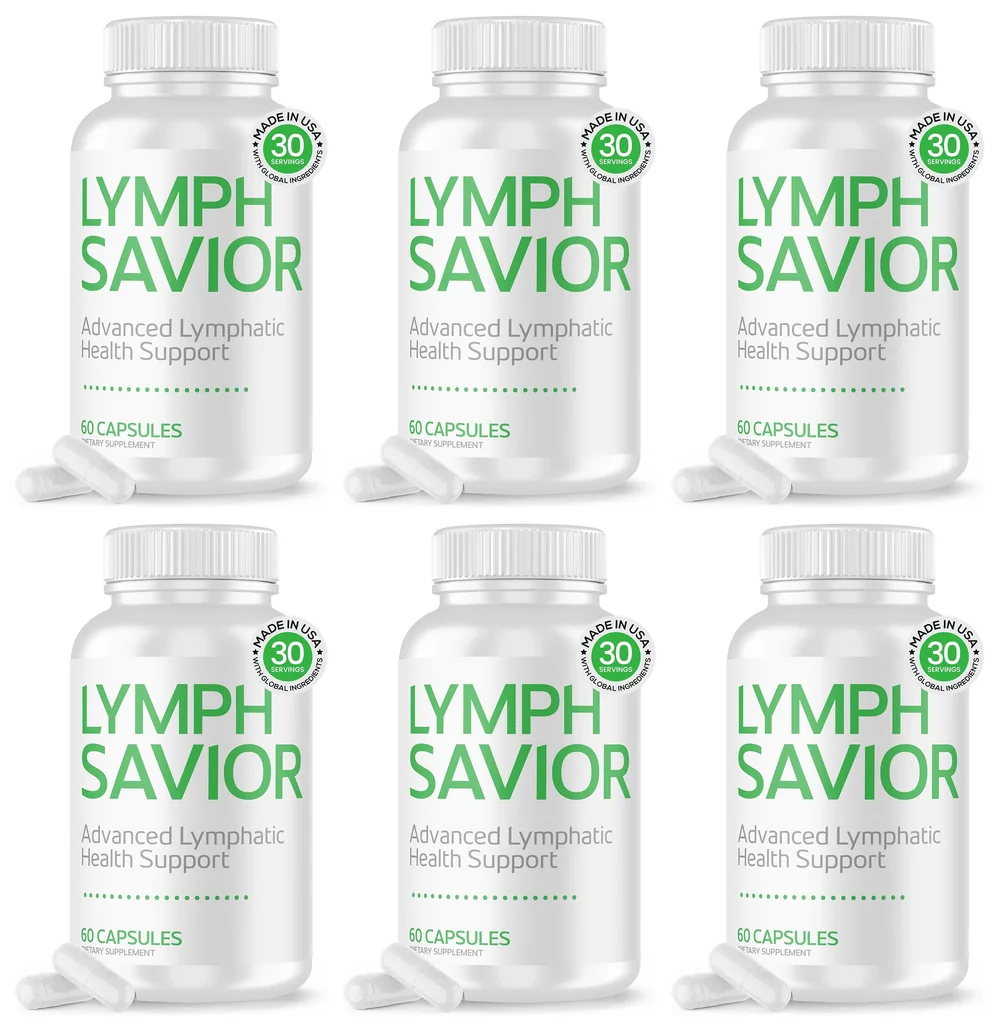
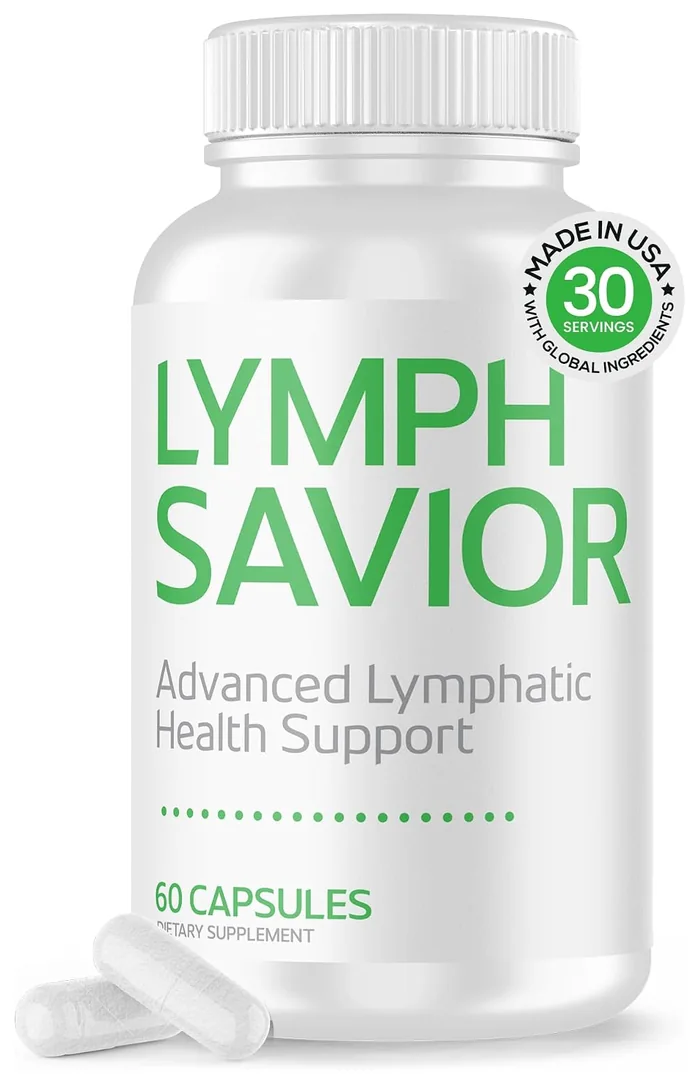
Lymph Savior is a capsule with six botanicals: red clover, horse chestnut seed, red root, centella asiatica, burdock root and yerba mate. The directions are two capsules a day with 6 to 8 ounces of water, and a bottle holds 60 capsules, so it lasts 30 days.
It belongs after the free habits, not instead of them. The label prints no amount for any botanical, and the trials on single plants do not test this blend. The post on why the horse chestnut evidence does not transfer explains the gap.
See what is on the bottle before you decide
Six named botanicals, no printed amounts, two capsules a day and a 60-day money-back window counted from the day you pay.
One, three and six-bottle packs · price set at checkout · 60-day money-back guarantee
Order Lymph Savior From This OutletLot LYM-26/LY-5684 · two a day, 60 to a bottle · ships from the United States
When to see a clinician
Some signs are not for waiting out. Swelling in one limb and not the other, swelling that is still there at breakfast, skin that is thickening or hardening, redness with heat or a fever, a lymph node that stays up for more than a few weeks, and any new swelling after surgery or radiotherapy all belong with a clinician.
Chest pain or breathlessness with new swelling needs urgent care. Anyone taking water pills or blood thinners should also ask a prescriber before adding any supplement. The side effects page names the three points to check on this formula.
Lymphoedema, a persistently swollen limb and a swollen lymph node are medical findings. Nothing on this website is an alternative to an examination.
Questions people ask
What is the most common cause of slow lymph drainage?
Stillness. Without working muscles around the vessels, lymph has little to push it, so long hours of sitting or standing are the usual reason for evening ankle puffiness.
Is puffy ankles at night a lymph problem?
Often it is ordinary gravity, heat and sitting acting on both legs. If it settles by morning it is usually everyday swelling. One-sided or lasting swelling should be checked.
Can a supplement fix poor lymphatic drainage?
No supplement replaces movement, leg elevation and water. Lymph Savior is a capsule to consider after those habits, and its label prints no amount for any botanical.